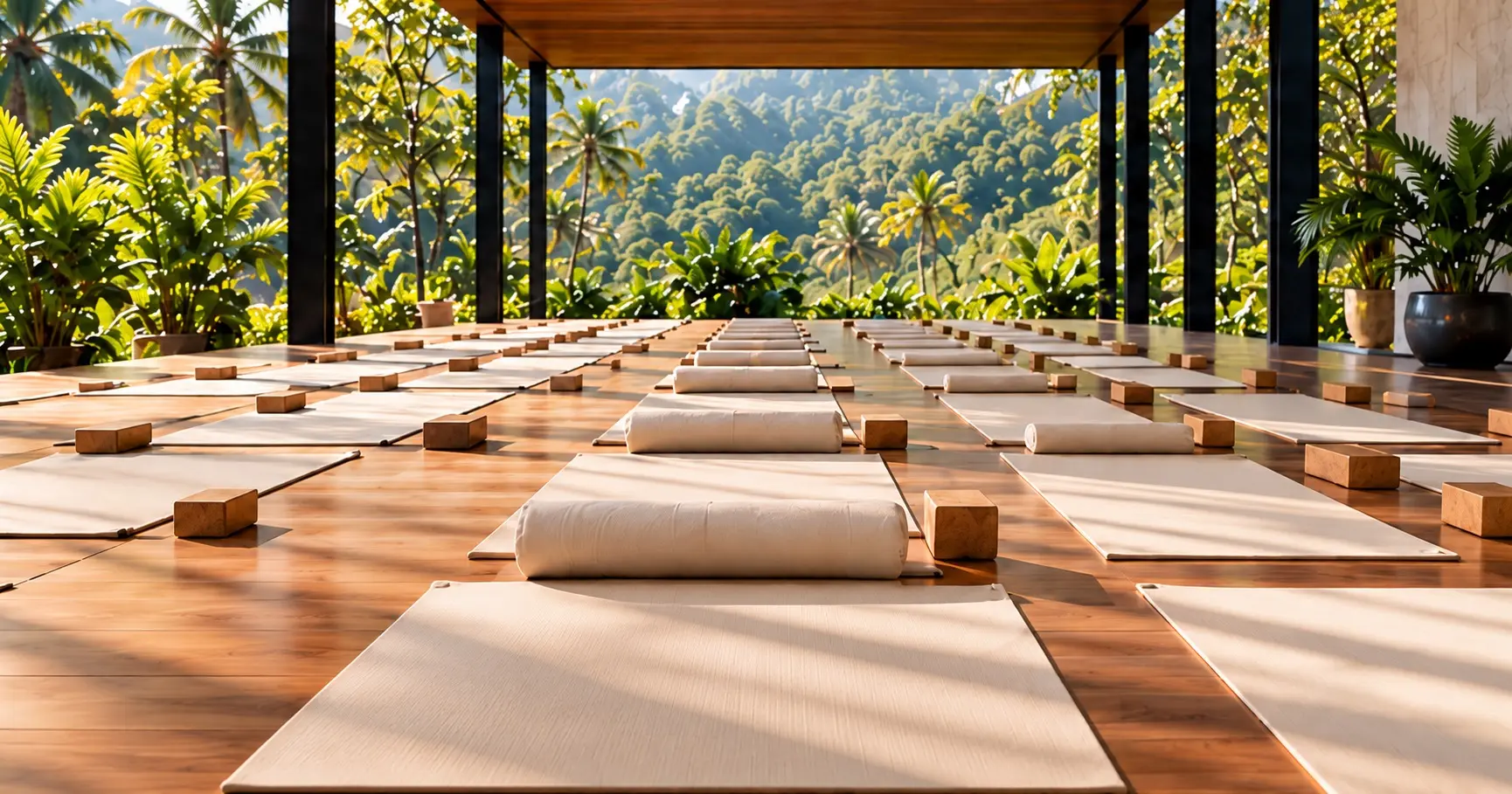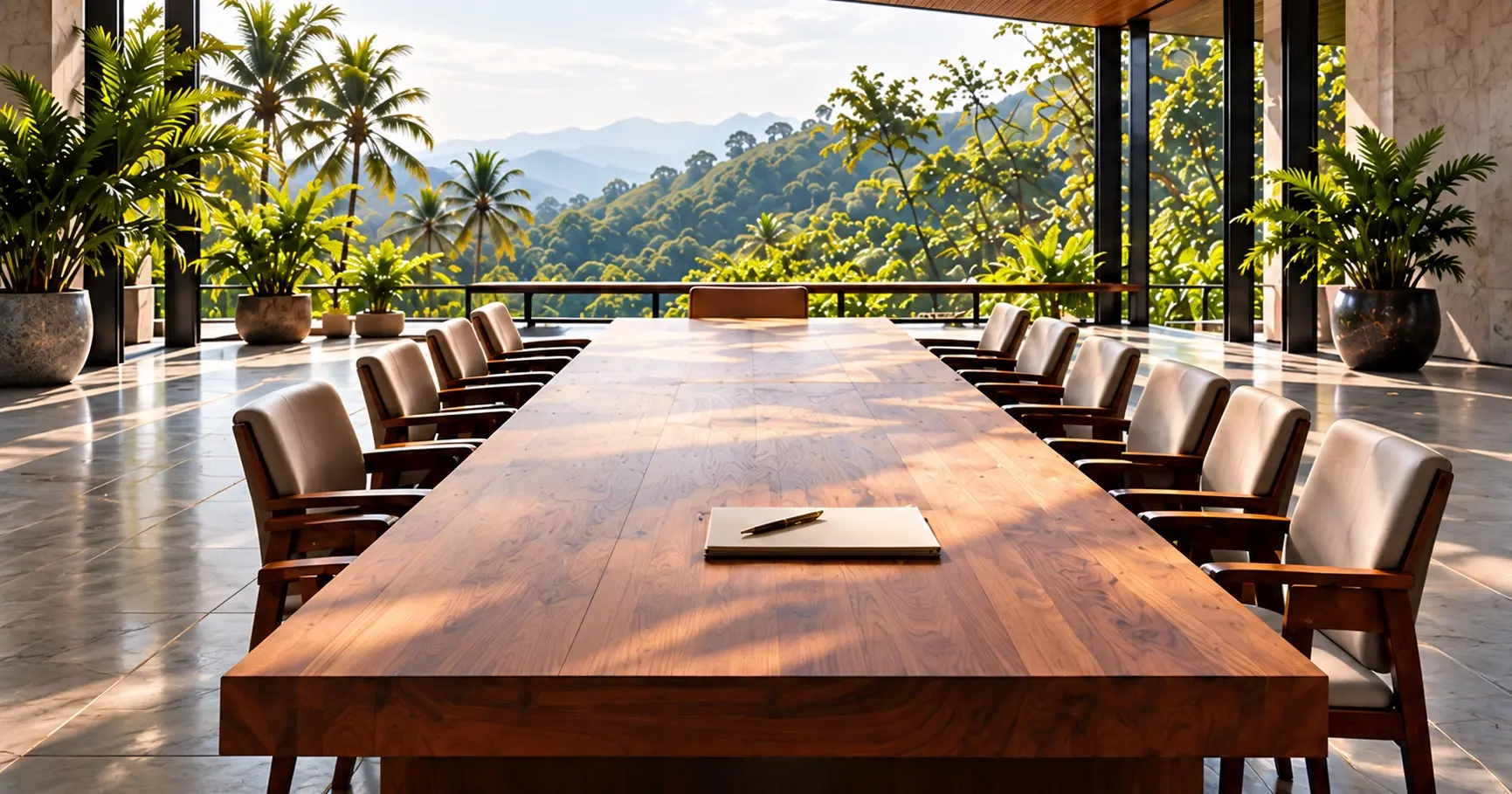
The most expensive mistake in retreat planning happens before anyone leaves the office: choosing the experience before defining its purpose.
The villa is spectacular. The flights work. Someone has found a restaurant everyone will love. Then comes the question that should have started the conversation: what are we actually gathering these people to do?
“Reconnect” sounds reasonable. So does “align.” Both can conceal very different needs.
A leadership team avoiding a difficult decision needs a different retreat from colleagues who have spent a demanding year delivering together. A newly merged organisation needs something different again. Put them through the same attractive itinerary and the scenery may be the most memorable result.
Give the Retreat a Job
Before discussing destinations, finish this sentence:
When we return, we need to be able to…
Make a decision we have postponed. Resolve conflicting priorities. Understand how another team works. Agree who owns what. Celebrate an achievement in a way that makes people feel recognised.
Each answer suggests a different programme.
Consider a team whose projects repeatedly stall between departments. Another presentation on collaboration is unlikely to reveal much. A facilitated discussion around a real stalled project could expose competing expectations, unclear authority or a handover that nobody owns.
That discovery gives the retreat something useful to work with.
This emphasis on experience has an industry context. The 2027 Global Meetings and Events Forecast from Amex GBT identifies improving the attendee experience as planners’ leading priority across regions. For the person commissioning a retreat, the practical question is what that experience should make possible.
Design for the Conversation You Need
An agenda communicates what an organisation values.
If every hour belongs to senior leaders, everyone else learns to listen. If participation means speaking immediately in a large group, reflective colleagues may contribute less. If a difficult conversation sits between two rushed transfers, the timetable has already limited its depth.
A more deliberate sequence might begin with private reflection, move into smaller conversations, and bring the whole group together once people have something considered to say.
The venue should support that sequence. Privacy, acoustics, comfortable gathering spaces and manageable travel times deserve a place alongside the view.
There is also a decision to make about authority: who in the room can act on what emerges? Asking people for honest input while leaving every meaningful decision elsewhere can turn participation into frustration.
Leave Room for People to Meet
The unscheduled hour has a purpose too.
Walking back from lunch, sitting beside someone unfamiliar or continuing a conversation after a session can reveal things that formal discussion misses. These moments need room in the programme.
Choice matters. A colleague who skips an optional early activity may return more engaged later. A thoughtful retreat allows different ways to participate without making constant sociability a test of commitment.
Decide What Survives Monday
Before departure, identify the small number of commitments that deserve follow-through. Give each an owner, a first action and a review date.
Then assess the retreat against its original purpose. Were decisions made? Did responsibilities become clearer? Has the recurring obstacle changed?
An enjoyment survey tells you about the experience. Following the commitments tells you whether the organisation used it.
The destination becomes a much better investment when the reason for going is clear. Explore Corporate Retreats built around the work your team needs to do together.